

Oil prices rose on Thursday and traded near their highest in two weeks on supply concerns after the United States imposed new sanctions to curb Iranian oil exports.
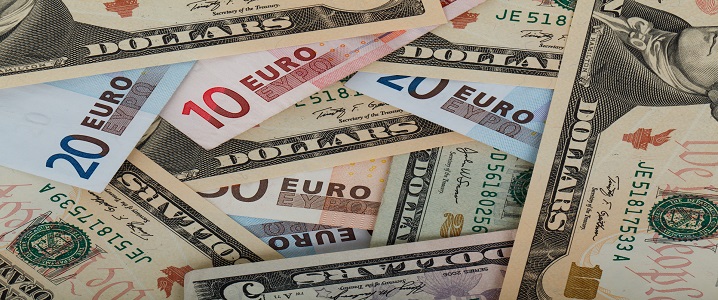
The euro eased against the dollar ahead of an expected interest rate cut by the European Central Bank on Thursday, while the greenback lifted off seven-month lows against the yen after U.S.-Japan trade talks avoided the issue of foreign exchange.

Euro zone industrial output rose more than expected in February, raising hopes that the sector bottomed out after a two-year recession, even if U.S. trade policy keeps risks high, data from Eurostat showed on Tuesday.

UBS has downgraded its China GDP growth forecast to 3.4% for 2025, on the assumption that tariff hikes between it and the United States will remain in place and that Beijing will roll out additional stimulus, it said in a report on Tuesday.
The U.S. dollar drifted Tuesday, remaining near its recently hit three-year low with the turmoil surrounding the Trump administration’s trade policies seen hitting the world’s largest economy.

Oil prices were broadly stable on Tuesday after new tariff exemptions floated by U.S. President Donald Trump and a rebound in China’s oil imports were offset by the IEA following OPEC in cutting its oil demand forecast.