
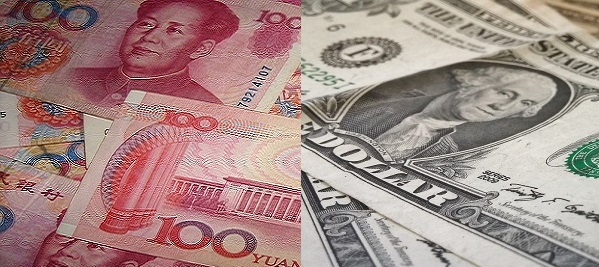
Asian currencies fell to multi-month lows on Friday with South Korea's won and Malaysia's ringgit bearing the heaviest losses as investors abandoned riskier regional assets after the US imposed new tariffs on dozens of trading partners.

The White House said Malaysia’s exports to the US will be subject to a 19% tariff, according to its official website on Thursday.
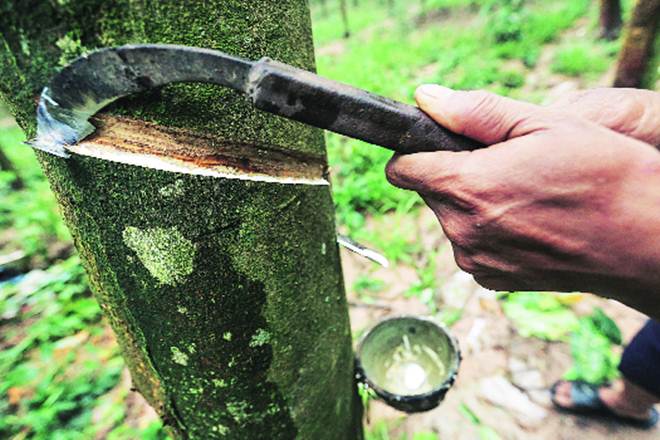
This month, the natural rubber prices experienced a bearish trend due to improving supply in key production regions, rising port inventories, and uncertainties from trade tariffs. Increased production in major producers, combined with tariff induced high level inventories, and limited demand, particularly from the tyre industry, exacerbated market challenges. The market is under significant pressure, with a cautious outlook on demand recovery. Here's a summary of the latest trends in the NR sector:

The Gross Domestic Product (GDP) of the United States, the broadest measure of economic activity and the primary indicator of the economy’s health, has demonstrated a significant increase, according to recent data. The actual GDP growth rate has been reported at 3.0%, surpassing both the forecasted and previous numbers.
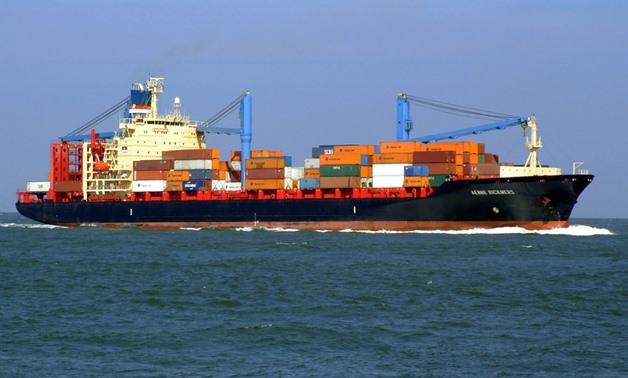
Indonesia’s trade surplus is expected to have narrowed month-on-month in June to $3.45 billion as import growth is expected to have accelerated last month, while exports also continued to rise, a Reuters poll showed on Thursday.

Malaysia has secured RM2.97 billion in confirmed digital investments from leading Chinese technology players, paving the way for the creation of over 6,800 high-value digital jobs nationwide, said Digital Minister Gobind Singh Deo.