

SINGAPORE/WASHINGTON (Reuters) - U.S. crude oil bounced back into positive territory on Tuesday, after a historic plunge below zero that shocked investors and pushed down stock prices and Asian currencies.

WASHINGTON (Reuters) - Asia shares were poised to track a Wall Street tumble on Tuesday after U.S. crude futures turned negative for the first time in history, crushed by a spectacular collapse in oil demand as the coronavirus pandemic derails the global economy.

Dubai: US crude prices plunged to their lowest level in history on Monday as traders continue to fret over a slump in demand due to the coronavirus pandemic. Starting at an already record low of below $5 late on Monday, the future contract prices started trading in the negative within the hour. US benchmark WTI oil price closed at -$37.63/barrel in New York.

NEW YORK (Reuters) - Oil prices tumbled on Monday, with the U.S. crude futures contract plunging more than 40% to its lowest level since 1986, as investors worried about lack of storage and German and Japanese data indicated a bleak global economy.

Cambodia’s rubber export has increased 10 percent in the first quarter of this year compared with the same period last year, but the price of the commodity showed a slight decrease, according to a report from Ministry of Agriculture, Forestry and Fisheries.
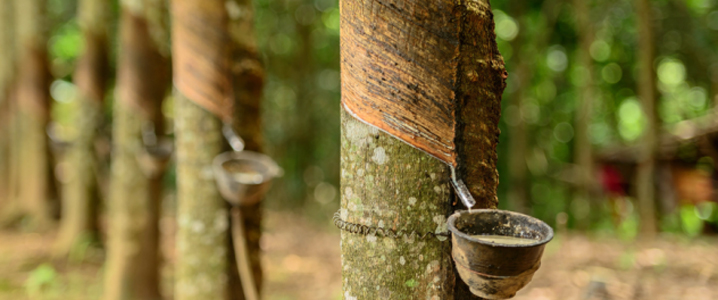
KOCHI: Though the Centre and state government relaxed the norms for plantation crops during the nationwide lockdown, rubber farmers and dealers across the state said the Covid-19 outbreak had already hit domestic rubber production. As per available statistics, rubber cultivation was carried out in 5.51 lakh hectares in 2018 with an annual production of 5.4 lakh tons. This year, the tapping season ended in February and was about to resume by March-end when the pandemic hit, leading to the lockdown. Now, most rubber farmers who kept stocks ready for sale during the off-season are facing severe financial crunch as many retailers are not ready to procure rubber.