

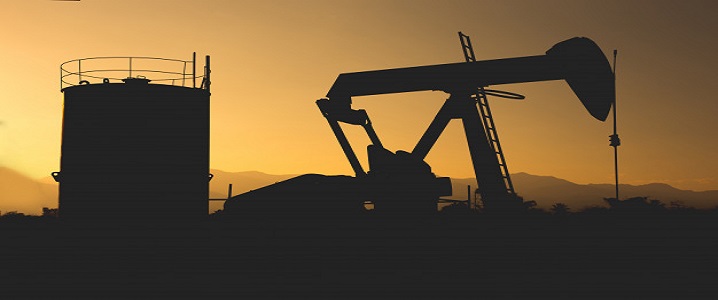
Russian President Vladimir Putin said on Monday that oil production reliant on transport through the Strait of Hormuz could halt completely within a month, as the U.S.-Israeli war on Iran has triggered a global energy crisis.
U.S. President Donald Trump said on Monday that while he did see an eventual end to the Iran war, it was unlikely to conclude this week.

Oil prices fell on Tuesday after hitting their highest level in more than three years in the prior session as US President Donald Trump predicted the war in the Middle East could end soon, easing concerns about prolonged disruptions to global oil supplies.
China’s consumer inflation accelerated to the highest in more than three years due to the effects of the Lunar New Year holiday, while producer deflation persisted as weak demand remained a drag on an economy facing stiff external challenges.

The escalating crisis in the Middle East has dramatically changed the outlook for global central banks, with the huge supply shock posing a difficult trade-off between underpinning growth and countering inflation.

Share markets nosedived in Asia on Monday as the inflationary jolt from surging oil prices threatened to raise living costs and interest rates across the globe, while investors desperate for liquidity fled to the U.S. dollar.